Essential Business Etiquette for Japan
Success in Japan starts with attitude, timing, and attention to detail. Those who understand the unwritten rules—from business card exchange to decision-making processes—earn acceptance and respect. Those who listen between the lines and recognise the right moment to act remain part of the process. Trust is not built by chance. It becomes a strategic advantage in meetings, negotiations, and long-term business relationships.
Avoid common mistakes, read situations accurately and build the foundation for sustainable success in your business relationships with Japan.

These Mistakes cost Trust and Business Opportunities in Japan.
Many people know the theory. In practice, however, seconds determine the first impression—and often the success of an entire business relationship.

Missteps in the first Meeting
Japanese business etiquette begins in the very first second. A handshake that is too firm or an inappropriate handling of business cards can signal a lack of respect.
Direct Confrontation
European directness often clashes with Japanese communication norms. Openly criticising someone in front of a group can cause the other party to lose face. Missteps like these can end a business relationship before it has truly begun.
Underestimating Hierarchy
Hierarchy remains an essential part of Japanese business culture. Addressing the wrong person first or ignoring seating protocols signals a lack of understanding of Japanese business etiquette and can quickly appear unprofessional.
Four Pillars of Success in
Japanese Business
Those who internalise these four principles are not only accepted, but valued as trusted and respected business partners.
Thorough Preparation
Success in Japanese business is never accidental. Careful preparation for your business trip lays the foundation for every negotiation and every meeting.
The Art of Courtesy
True courtesy goes far beyond a smile. It means understanding the needs and expectations of others. In Japan, this principle is known as Omotenashi.
Discipline & Punctuality
In Japan, discipline is the currency of trust. I show you how to communicate reliability at Japanese standards and build credibility through consistency.
Understanding the Process
Integrate Kaizen principles into your communication. Demonstrate that you understand, appreciate and work within Japanese approaches to continuous improvement and professional excellence.

Between Hightech and Shinto: The Roots of Japan's Business Culture
To succeed in modern Japanese business, it is essential to understand the deeper foundations of society. The Japanese mindset is shaped by harmony (Wa) and a strong commitment to diligence and continuous improvement. Those who focus only on the surface often miss what truly drives decisions and relationships.
I help you understand the values behind the visible business practices, so that you are perceived not merely as a business partner, but as a trusted long-term ally.
Respect & Etiquette
Japanese business partners quickly recognise who is genuinely making an effort.
Kaizen
Continuous improvement.


Christina Blake:
Your Bridge to Success in Japan.
With more than 20 years of experience in communications and marketing management within Japanese corporations such as Olympus and Panasonic,
I have experienced the Japanese business world from the inside.
For more than 15 years, I have been supporting companies as a coach, trainer and trusted advisor to achieve successful business outcomes in Japan. I know the unwritten rules that no textbook can teach.
Years in Japanese Business Environments.
Years Intercultural Communication and Japan-Coaching.
Business Etiquette Insights
You won't find in any Guidebook
You will navigate business situations in Japan with greater confidence, speed
and credibility.
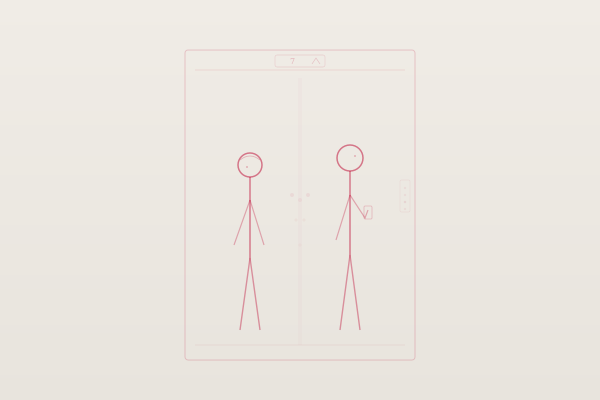
Silence in the Elevator
There is a clear hierarchy regarding where people stand in an elevator and who operates the buttons. In Japanese business etiquette, this serves as a subtle indicator of your attentiveness and respect for Japanese culture.

The empty Coffee Cup
In Japan, people rarely refill their own cup. The way you pay attention to the drinks of others reflects your consideration and awareness. A small detail that leaves a lasting impression.

+25 More Business Etiquette Insights
Long-term business relationships are built on genuine cultural respect.
Act with Confidence,
not just Compliance
Many professionals try to memorise Japanese business etiquette and end up appearing rigid or unnatural. My goal is to help you
internalise these principles so thoroughly that you can focus on the conversation rather than the rules.
Genuine understanding instead of memorised behaviour.
Become a valued Business Partner
Combine Japanese Discipline with European Business Cultures
Understand and use Body Language restrained but effectively
Build strong Networks and
lasting Relationships
Master critical Situations effectively. Resolve Conflicts with Confidence
Build Trust through meaningful Gestures of Respect
Frequently Asked Questions about Business Etiquette in Japan
Clarify the most important aspects of training and successful business interaction.
What is the most important principle of Japanese business etiquette?
Respect for harmony and an understanding of the concept of "Saving Face" are fundamental. In Japan, it is essential that everyone involved can maintain dignity and avoid embarrassment. This principle influences every conversation, negotiation and meeting.
How important are business cards in Japanese business culture?
Business cards play a central role in Japanese business. Failing to receive a card with both hands, take a moment to read it carefully, and treat it respectfully can undermine a first impression immediately. In my coaching sessions, we practise the proper etiquette until it becomes second nature.
What are the most common mistakes in meetings with Japanese business professionals?
The three most common mistakes are openly disagreeing with someone in front of the group, interrupting periods of silence (which often serve reflection and consensus-building) and arriving unprepared. Any of these mistakes can damage trust and slow down business progress
Does Japanese business etiquette also apply to virtual meetings?
Absolutely. Hierarchies and communication patterns remain just as important in Teams or Zoom meetings as they are in person. In some respects, virtual meetings can be even more challenging because non-verbal signals are harder to interpret. I also prepare clients specifically for virtual meetings with Japanese business professionals.
Bring Clarity to complex
Japan Business Situations
Let's discuss the specific challenges your organisation is facing. In a complimentary introductory consultation.